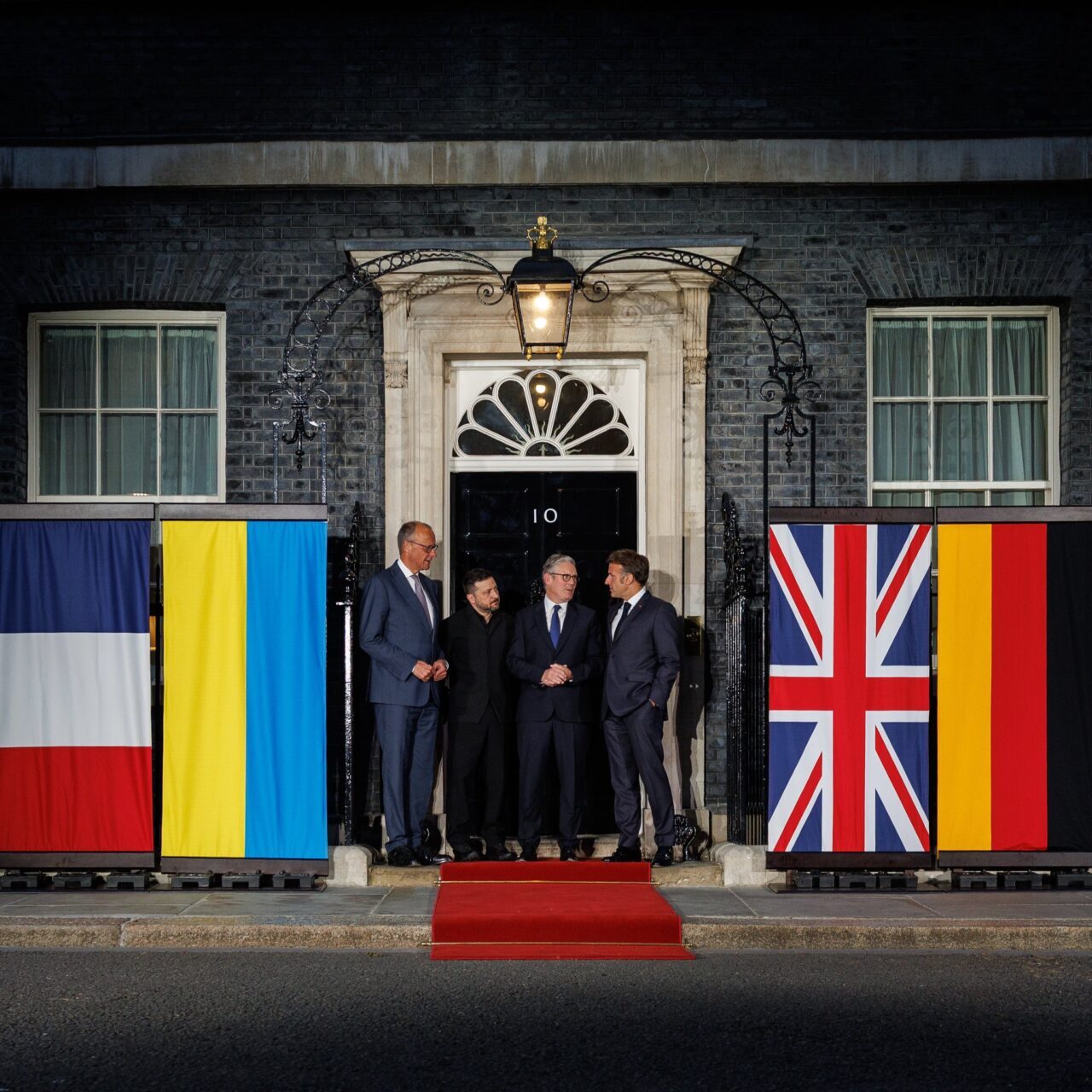
The UK, France, and Germany issue a historic joint declaration with Zelenskyy, calling for an immediate ceasefire with the current frontline as a starting point.
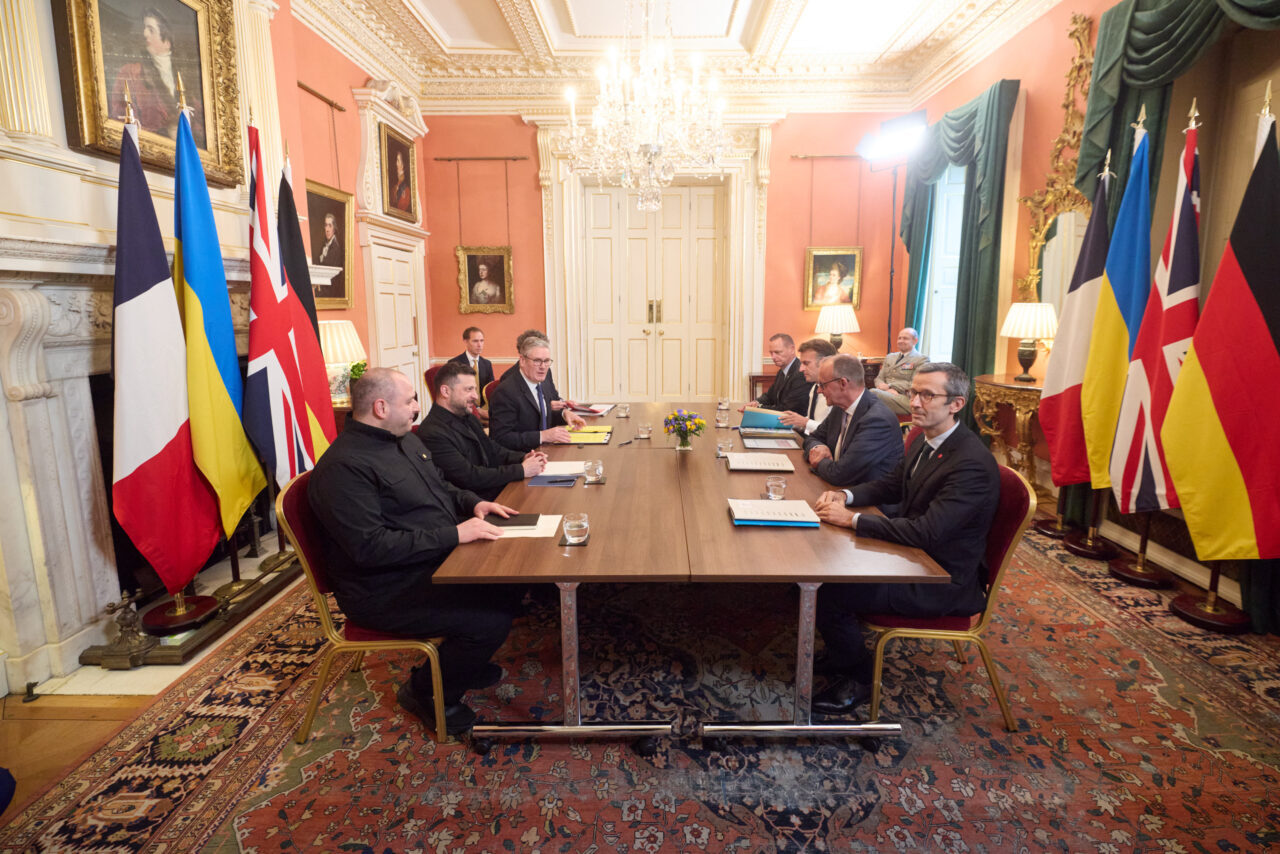
The leaders of the United Kingdom, France, and Germany—collectively known as the E3 nations—have held a high-stakes summit in London with Ukrainian President Volodymyr Zelenskyy, emerging with a unified call for direct diplomatic negotiations between Kyiv and Moscow. In a significant shift in European diplomatic strategy, the leaders issued a joint declaration supporting a framework for E3 Ukraine peace talks that would incorporate active American and European participation to finally secure a durable ceasefire.
The high-profile quadrilateral meeting, hosted at 10 Downing Street, brought together British Prime Minister Keir Starmer, French President Emmanuel Macron, and German Chancellor Friedrich Merz alongside President Zelenskyy to iron out a cohesive European position on ending the conflict.
The Baseline for Direct Diplomacy
In their joint communique, the E3 leaders emphasized that the current geopolitical gridlock must be broken through structured, direct dialogue, rejecting previous diplomatic pauses. The leaders explicitly called on Russian President Vladimir Putin to agree to an immediate, comprehensive halt to hostilities.
Crucially, the joint statement outlined that the current line of contact on the battlefield should serve as the practical starting point for any upcoming territorial and security negotiations.
“International borders must not be changed by force,” the E3 leaders affirmed in the declaration. “However, the current frontline must serve as the administrative baseline for talks, provided that Ukraine’s sovereign right to determine its own independent security arrangements and international alliances is fully respected.”
The declaration also made it clear that Western economic pressure will not be lifted prematurely, confirming that Russian state assets will remain completely immobilized until Moscow permanently ceases its military aggression and provides compensation for the war damage.
Post-Ceasefire Guarantees and Institutional Consent
A major portion of the London discussions centered on the complex security architectures required to preserve peace once a ceasefire is implemented. The leaders agreed that any finalized peace treaty must explicitly protect wider European security interests, avoiding any backroom deals that could destabilize the continent.
To ensure long-term stability, the framework proposes binding security guarantees for Kyiv, building upon previous bilateral commitments signed in Berlin and Paris. This includes the potential deployment of a specialized “Multinational Force – Ukraine” to monitor compliance along the contact line.
The leaders also addressed the sensitive issue of institutional integration, noting that specific elements of the negotiations involving the European Union or NATO cannot be unilaterally decided at the bargaining table. The text stipulates that any clauses touching upon these institutions will strictly require the formal, sovereign consent of all existing EU member states and NATO allies respectively, preserving the legal integrity of both Western blocs as the diplomatic track accelerates.