Domestic maintenance experts have identified widespread contamination risks inside household washing machines, warning that neglected appliances quickly turn into breeding grounds for harmful bacteria and toxic mold.
THE UNSEEN BIOLOGICAL THREAT LURKING BEHIND CLEAN CLOTHES
Medical and domestic hygiene experts have released a critical advisory regarding washing machines, an indispensable appliance in modern households. According to recent technical assessments, washing systems that are not regularly sanitized accumulate dense colonies of bacteria, fungi, and unpleasant odors, compromising household health and garment sanitation. Investigators noted that moisture trapped within the rubber door gaskets serves as a primary catalyst for mold development. Over time, this fungal accumulation transfers directly onto clothing fibers during the washing cycle, leaving garments permeated with an underlying, persistent damp smell.
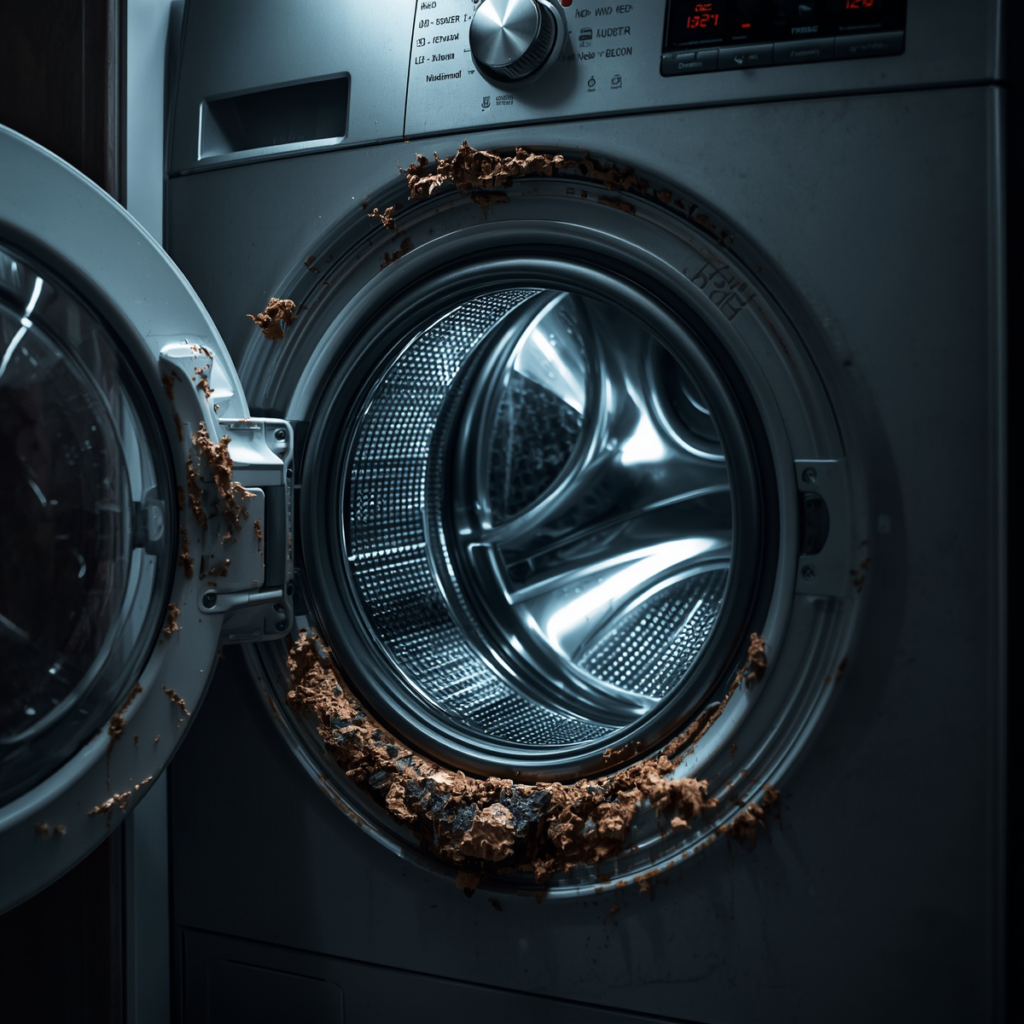
LOW TEMPERATURE CYCLES ACCELERATE INTERNAL BACTERIAL GROWTH
Analysts observe that while users assume their appliances remain clean by default, the structural interior of the machine is heavily neglected. The detergent dispensing drawer, the drainage filter network, and the drum seal systematically accumulate lint, soap scum, and microscopic pathogens. This accumulation is severely accelerated by the frequent use of low-temperature eco-wash cycles, which fail to dissolve fatty residues or eradicate fungal spores. Experts emphasize that leaving the washing machine door tightly closed immediately after a cycle seals in humidity, artificially creating an optimized incubation environment for rapid bacterial multiplication.
NATURAL SANITIZATION METHODS REGAIN POPULARITY AMID HYGIENE CONCERNS
To counter the growing internal contamination crisis, researchers are highlighting the efficacy of traditional organic cleaning solutions, specifically focusing on combinations of white vinegar and baking soda. Running an empty, high-temperature maintenance cycle once a month utilizing these components is highly recommended to dissolve structural build-ups. Furthermore, routine physical extraction and purging of the primary pump filter remain mandatory to guarantee both systemic hygiene and the mechanical longevity of the appliance.
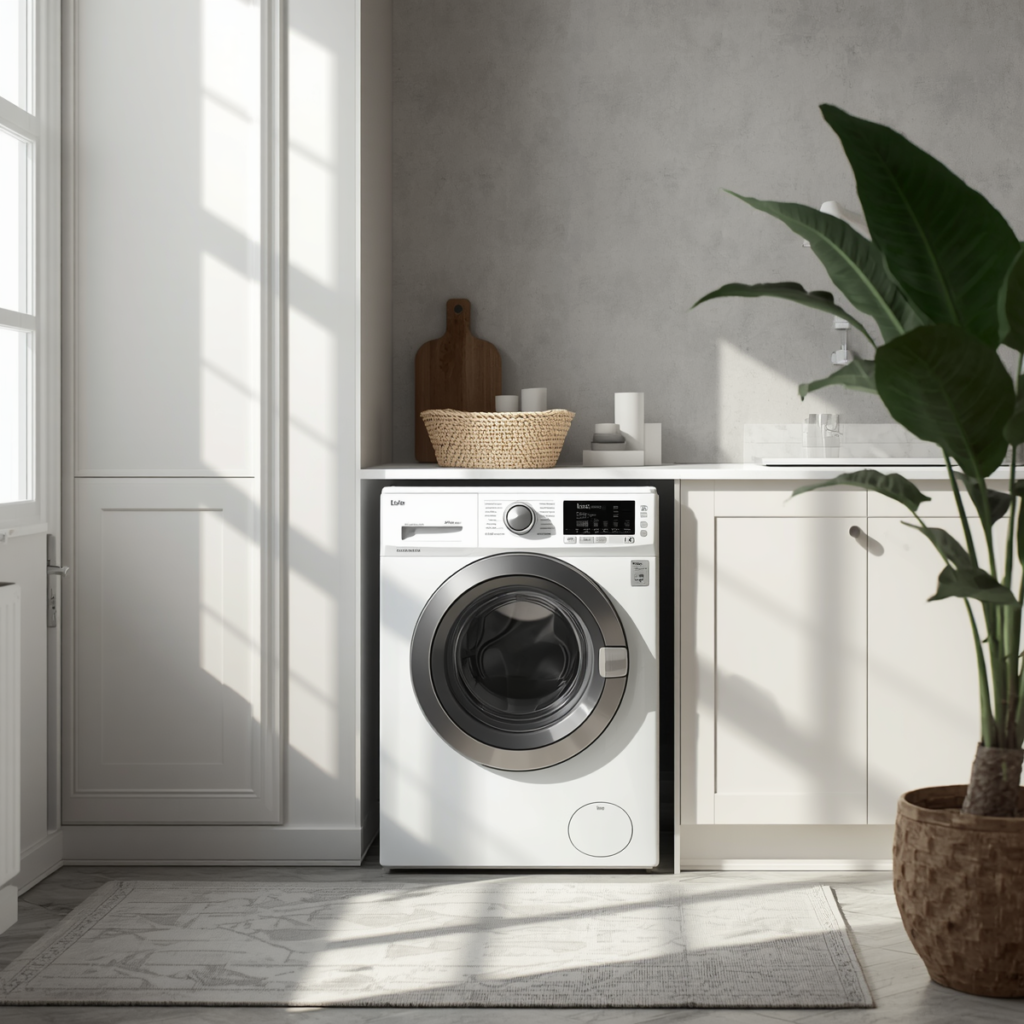
NEGLECTED APPLIANCES EXPEDITE EXPENSIVE UTILITY BILL INCREASES
Beyond fundamental health hazards, unmaintained washing machines trigger severe operational inefficiencies that impact household finances. Calcium carbonate scale accumulation combined with heavily clogged drainage systems forces the internal heating elements and electric motors to work twice as hard to process standard loads. This systemic strain causes an immediate spike in household electricity consumption, driving monthly utility bills significantly higher while simultaneously expediting structural component failures that shorten the operational lifespan of the machine.
CRITICAL MAINTENANCE ACTIONS RECOMMENDED BY EXPERTS
To mitigate structural degradation and sanitize home laundry environments, industry experts urge consumers to systematically implement the following preventive protocols:
- Wipe down the rubber door gasket with a dry cloth after every load.
- Extract and thoroughly clean the pump filter at least once a month.
- Leave the main loading door slightly ajar post-wash to facilitate ventilation.
- Execute a high-temperature sanitizing cycle on an empty drum periodically.
- Avoid the excessive dosing of liquid detergents or fabric softeners.
Implementing these straightforward steps significantly reduces the threat of microbiological contamination while protecting consumers from premature machinery replacement costs.

