


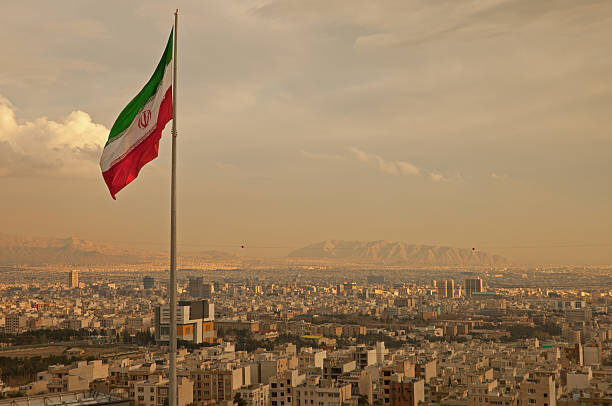
Iranian parliamentary spokesperson Ibrahim Rezaei warned that Tehran may escalate uranium enrichment to 90 percent if the country faces renewed attacks, as global powers scramble to secure the Strait of Hormuz.
Ibrahim Rezaei, the spokesperson for the Iranian Parliament’s National Security and Foreign Policy Commission, shared an assessment regarding the nation’s nuclear trajectory on social media. Rezaei stated that enriching uranium to 90 percent remains a primary option should Iran be targeted again, noting that the legislative body will formally deliberate on this matter. In response, U.S. President Donald Trump, speaking before his visit to China, asserted that it is impossible for Iran to obtain nuclear weapons. Trump claimed that Iranian officials are aware of this reality and have accepted it, emphasizing that the United States is not interested in playing games regarding regional security.
TRUMP VOWS TOTAL CONTROL OVER IRANIAN NUCLEAR AMBITIONS
President Trump told reporters that oil prices would drop significantly once the conflict with Iran concludes, predicting a surge in the stock market. He maintained that Iran is currently under full control and faces a choice between reaching a new agreement or facing total destruction. Additionally, Trump expressed disappointment with NATO, claiming the alliance failed to provide necessary support during critical moments. While acknowledging NATO’s importance, he criticized its lack of presence when required. On the diplomatic front, Turkish Foreign Minister Hakan Fidan emphasized that the Strait of Hormuz must be reopened immediately, arguing that the waterway should never be utilized as a strategic weapon due to its vital role in global economic stability.
DIPLOMATIC EFFORTS INTENSIFY TO PREVENT REGIONAL COLLAPSE
During a joint press conference with Qatari Prime Minister Mohammed bin Abdulrahman Al Thani, Foreign Minister Fidan highlighted the extraordinary challenges facing the region. Fidan expressed Türkiye’s support for Pakistan’s role in negotiations and reiterated that war is not a viable solution, citing potential economic deprivation and widespread destruction. He noted that both the U.S. and Iran theoretically desire an end to the war and the reopening of Hormuz, yet the difficulty lies in the prioritization of terms on paper. Fidan also identified Israeli expansionism in Lebanon, the West Bank, and Gaza as the primary security threat in the region, labeling Israel’s actions as a global problem that persists despite international calls for peace.
MULTINATIONAL TASK FORCE TO SECURE THE STRAIT OF HORMUZ
The United Kingdom and France announced they would co-host a high-level defense summit involving over 40 nations to address security in the Strait of Hormuz. Led by UK Defense Secretary John Healey and French Defense Minister Catherine Vautrin, the meeting marks the first ministerial-level discussion for a planned multinational naval task force. The UK Ministry of Defense confirmed it is deploying the HMS Dragon to the region, alongside Eurofighter Typhoon jets, mine-clearing drones, and advanced anti-drone systems. These military assets aim to restore commercial flow and defend allied interests against ongoing regional threats, ensuring the safety of international trade routes in the Eastern Mediterranean and beyond.